
How to Pull Off Group Dining in Old Montreal Without Settling for Less
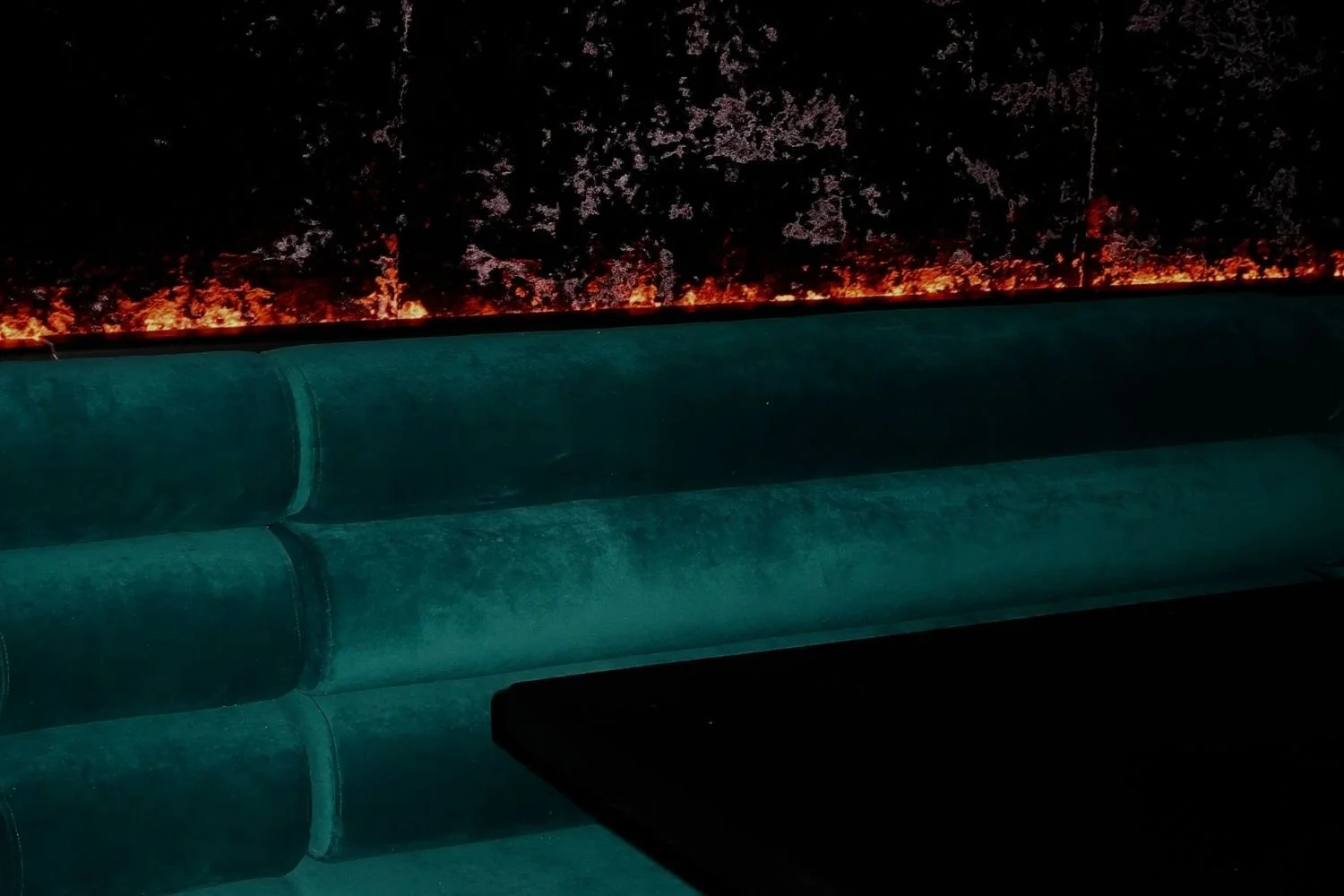
Booking a table for twelve in this city is an exercise in knowing which rooms will hold the night and which ones will just feed people.
Old Montreal has no shortage of places willing to seat a group. The cobblestones, the heritage stone, the candlelit corners. After all, the neighbourhood sells ambiance before the menu ever opens. B
ut group dining in Old Montreal is a different negotiation than booking a table for two. Larger parties need structure. They need a venue that has actually thought about what it means to host ten, fifteen, twenty people with somewhere to be.
We should talk about it all. Reservation formats, pricing realities, how the menus work, what to ask before you commit, and what it looks like when a venue has genuinely designed the experience with your group in mind.
What Group Dining Means in Old Montreal
The neighbourhood runs on intimacy. That's both its best quality and its central tension when you're trying to seat fifteen people somewhere worth remembering.
Most of the restaurants here were built into nineteenth-century commercial buildings. Ceilings are low. Rooms are segmented. What feels electric for a table of four can feel cramped once you add party-sized logistics to it. The venues that handle groups well have made deliberate structural choices: a private room carved out of the back, a semi-private section on a mezzanine, or a full buyout that lets your group claim the whole evening.
Group dining in Old Montreal tends to break into three functional formats. Understanding them before you pick a venue saves a lot of back-and-forth with reservations teams.
Types of Group Dining Experiences
Each format serves a different kind of group and a different kind of night. The one you pick shapes everything downstream: the menu, the price, the atmosphere, and how much control you actually have over the evening.
Standard Table Reservations for Large Parties
The lowest-commitment option. A restaurant seats your party at one or two large tables, you order off the standard menu, and the evening runs the same way it would for any other night in the room.
This works for groups under ten who aren't attaching a specific occasion to the dinner. The limitations show quickly past that number:
Pacing falls apart when sixteen people are ordering à la carte
The bill split becomes its own event
Servers are managing the whole floor, not your corner of it
For a birthday that matters or a dinner meant to impress, this format tends to undersell what the neighbourhood can actually offer.
Semi-Private and Private Dining Rooms
The format where group dining in Old Montreal starts to feel intentional.
Semi-private dining uses the architecture of the room: a partitioned section, a raised floor, booths angled away from the main space, to give a group its own atmosphere without fully detaching from the room's energy. Private dining goes further. Enclosed space, your party only, often its own service team.
The right private dining room in Old Montreal turns a group dinner into something with a beginning, a middle, and an end. No ambient noise from other tables. No competing energy from the room. Just the people you brought and the evening you planned.
Private rooms almost always come with two conditions: a set menu and an advance deposit. The deposit holds the space. The set menu holds the kitchen's ability to actually deliver on the night.
Full Restaurant Buyouts and Exclusive Events
The version where the venue is the event.
A full restaurant buyout means the space operates exclusively for your group. No other bookings, no shared room, no strangers at the next table. The kitchen is yours. The service is yours. The atmosphere is calibrated entirely around your party.
This format suits product launches, milestone celebrations, and corporate dinners where the venue itself needs to communicate something. At this level, you're not booking a restaurant. You're booking an address for the night.
How Group Dinner Set Menus and Prix Fixe Options Work
A prix fixe group menu exists because kitchens are not logistics operations. They're built for rhythm: proteins prepped to order counts, courses timed to the room, service moving in sequence. A group of twenty ordering freely off the menu disrupts every part of that rhythm.
Fixed menus solve it. The kitchen knows what's coming. The pacing is controlled. The bill is clean.
How Bowie's Menu Works for a Group
Bowie's kitchen runs Asian-inspired, and the food is built for sharing rather than individual plating. These aren't dishes that sit quietly in front of one person. They arrive at the table and move.
Oysters — classic or chef dressed
Tuna tataki with shiro dashi and yuzu jam
Wagyu beef dumplings with chili garlic
Grilled short rib in Chinese BBQ sauce
Steak tartare with wasabi aioli on rösti
Miso cod with bib lettuce and radish
Caviar service with blini and sour cream
The social nature of the menu suits a group table more naturally than most tasting formats do. Dishes come out, they circulate, the table eats together rather than in parallel. Add a cocktail list built to sit alongside the food, not compete with it, and the evening has its own architecture.
Minimum Spend, Pricing, and Booking Policies
Every group reservation in Old Montreal above a certain size involves a financial commitment. The form varies. The reality doesn't.
Holding a private room or a reserved section costs the venue the revenue they would have made from that space on a busy night. A minimum spend or deposit protects that. It's standard practice, and it's also the part of the inquiry most groups skip past until they're deep into planning.
What to Confirm Before You Commit
Get these answers in writing before signing anything:
Whether the deposit is non-refundable, and at what point the cancellation window closes
Whether the group dining minimum spend applies per person or to the table overall
What the late arrival policy is
Whether gratuity is included or calculated on top of the quoted amount
At Bowie, reservations are quoted before tax and gratuity. All bookings remain subject to final approval by the door team. The guest count and group balance confirmed at booking are the ones that get honoured. This is not a venue where the headcount gets revised on the day and the table stays the same.
The group dining minimum spend at Bowie is structural. The experience has a price because the experience has a standard.
How to Book a Group Reservation in Old Montreal
The process is more deliberate than a standard online booking click. Venues that take group dining seriously have a dedicated events contact or form, separate from their general reservation flow. They want the details upfront: headcount, event type, date, preferred format.
A vague inquiry gets a slow, vague response. A specific one moves.
The Booking Sequence
Lock in headcount first. Vague numbers produce vague quotes. Know your date and have one backup — peak weekend nights in Old Montreal fill early, and private spaces fill earlier.
Reach out directly. For Bowie, event reservations go through the team at reservations@lebowie.com or 514.360.9290. The event booking form is available through lebowie.com.
Read the proposal carefully. Check deposit terms, cancellation windows, and what happens if the headcount shifts closer to the date.
Ask about dietary flexibility. Set menus can usually accommodate restrictions if the venue knows in advance.
Confirm headcount again closer to the date. Kitchens order to confirmed numbers. A last-minute swing creates real problems for service.
For Bowie group dining specifically, there is a layer the other venues don't have: the door. The dress code applies to the full party. Guests must be twenty-five or older. Chic, stylish attire is required. Baseball caps, hoodies, sweatpants, and graphic tees are not permitted. Arriving fifteen minutes late puts the whole reservation at risk.
These aren't bureaucratic hurdles. They're the conditions under which Bowie maintains what it is. A group that arrives prepared moves straight to the velvet and the low light. A group that doesn't can end up standing on Sainte-Hélène.
Bowie as a Venue for Group Dining in Old Montreal
The neighbourhood has options across scale and format. What makes Bowie different isn't the capacity. It's the register.
Drawing from members' clubs worldwide, the room is built around a specific atmosphere. Low light. Deep reds. A cocktail list that was thought about. An Asian-inspired menu designed for the table to share. The kind of interior that feels like it belongs to the people in it, not to the building it occupies.
What Sets the Room Apart
Bowie is reservation-only, and not just as policy. It's reservation-only because the experience depends on knowing who is in the room. Every guest arrived the same way — through a confirmed booking, meeting the same dress standard, clearing the same door. The evening has terms, and those terms are what give it shape.
For private dining in Old Montreal at this register, there is no direct comparison in the neighbourhood. The space is not built for banquet-scale gatherings. It's built for evenings where the room holds the night, the food moves around the table, and the group remembers that they were somewhere specific.
Photography is not permitted inside Bowie. That's not incidental. The room is designed to live in the present rather than on a grid.
Corporate Group Dinner and Event Booking in Old Montreal
Corporate group dinners carry a different set of expectations than personal celebrations. The room has to work for conversation. Service needs to be sharp without being constant. The food has to be memorable, not a distraction. And the setting has to do work on behalf of whoever is hosting.
Old Montreal is an effective backdrop for that kind of evening. The history is in the walls. Clients arriving from out of town recognise the neighbourhood as a destination before they've even sat down.
Why a Dress Code Venue Works for Corporate Entertaining
A venue with entry standards communicates something before anyone is seated. Every guest at the table arrived by the same terms. The room was chosen deliberately.
For corporate event booking in Old Montreal at this register, Bowie carries that weight:
Intimate scale that supports focused, unhurried conversation
A sharing menu that keeps the table moving and connected
Entry standards that signal the evening was curated, not convenient
A no-photography policy that keeps what happens in the room, in the room
The door policy isn't an obstacle. It's what makes the room feel like it belongs to the people inside it.
Group Dining Checklist Before You Book
Before reaching out to any venue, run through these first. The clearer you arrive, the faster the booking moves.
Know before you call:
Final headcount, with a realistic buffer
Event date and one backup option
Format preference: seated dinner, cocktail, or both
Whether fully private or semi-private works for the group
Ask the venue directly:
What does the minimum spend or deposit cover?
What is the cancellation window and what is refundable?
Does the set menu accommodate dietary restrictions?
What happens if the headcount changes by the day of?
For Bowie specifically:
All guests must be twenty-five or older
Tasteful, sophisticated attire required for the full party. No caps, hoodies, sweatpants, or graphic tees.
Reservations arriving more than fifteen minutes late may face delays or forfeiture
Photography and videography are not permitted inside
Quotes are before tax and gratuity
Entry is subject to final approval at the door
Occasions Worth Planning Around at Bowie
Some nights deserve more than a table. Bowie is built for the ones that do. A few occasions that land differently in a room like this:
Milestone birthdays. The kind where the number matters. Low light, a menu that moves around the table, cocktails that hold attention. The room does the work before the cake arrives.
Corporate client dinners. When the venue needs to communicate something before anyone speaks. A dress code, a door policy, and a kitchen running Asian-inspired sharing plates — it signals intention on behalf of whoever booked it.
Promotions and send-offs. Celebrations that belong to one person but need a room that feels like it was chosen for them. Bowie's scale keeps it intimate. The evening stays about the person, not the logistics.
Reunion dinners. For the group that doesn't need an occasion, just a reason. A room this deliberate gives the night its own shape without requiring one.
Date nights scaled up. Two couples, four friends, six people who want somewhere that takes the evening as seriously as they do. Bowie handles small groups as well as it handles larger ones.
The common thread isn't the occasion. It's that the people behind it wanted the night to be worth remembering.
The Room Either Holds the Night or It Doesn't
The Wagyu lands. Someone reaches across. The cocktails are cold, the room is warm, and the conversation has already forgotten it had somewhere else to be.
This is what group dining in Old Montreal feels like when the room is right. Low light pooling over the table. Dishes moving between hands. The night given over entirely to the people at it; no interruptions, no ambient noise bleeding in from other tables, no reason to rush.
Bowie holds that. The deep reds and the velvet quiet, the hush of a room with standards at the door and caviar on the menu. It is intimate by design and exclusive by intention.
The kind of place a group chooses when the occasion deserves more than a reservation — when it deserves a room that takes the evening as seriously as they do.