
What Is Asian Fusion Cuisine? A Modern Guide for Montreal Food Lovers
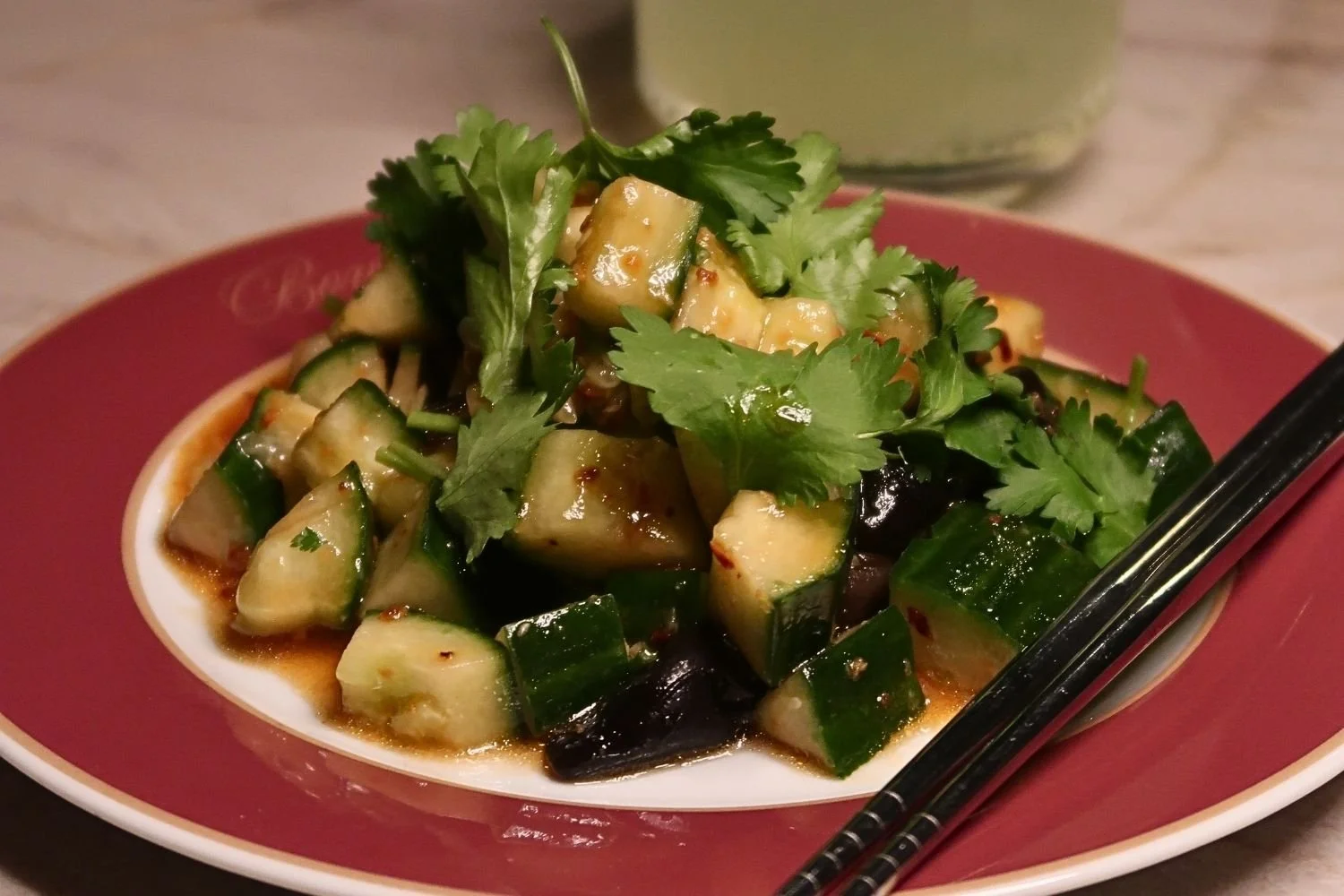
Asian fusion cuisine lives in the in-between.
It is where tradition relaxes its rules and curiosity takes the lead. This balance allows the flavors shaped by history to move forward without losing their weight. It carries memory, migration, and intention; slowly but surely folding them into plates that feel familiar at first glance and quietly surprising by the final bite.
This food invites attention. It rewards patience. It belongs to evenings that stretch, conversations that deepen, and rooms where atmosphere matters as much as taste.
In Montreal, asian fusion cuisine feels natural. The city understands cultural overlap. It moves comfortably through influence and reinvention. Dining here favors nuance, confidence, and restraint, which mirrors the way modern Asian cuisine continues to evolve.
Let us take you on an exploration of what Asian fusion is, how it came to be, and why it resonates so deeply within the Montreal Asian food scene today.
Where Cultures Whisper Instead of Collide
Asian fusion cuisine arrives with intention, shaped by balance, technique, and respect for origin. The experience feels layered, like low light catching velvet, or spice unfolding gradually across the palate. Nothing rushes. Nothing feels forced.
At its core, asian fusion cuisine blends culinary traditions from across Asia with global influences that feel considered rather than random. Chefs draw from Japanese precision, Korean depth, Chinese richness, Southeast Asian brightness, and Western techniques that emphasize texture and presentation.
The result feels fluid and composed, with dishes that honor their roots while speaking a modern language.
This approach fits the energy and soul of modern dining. People seek food that feels thoughtful, elevated, and deeply personal. Asian-inspired dishes answer that call by offering depth without heaviness and creativity without chaos. Each plate feels deliberate, as if carrying a sense of place and mood rather than spectacle.
How Fusion Quietly Shaped the Global Table
Fusion cooking did not arrive overnight. It grew slowly, shaped by movement and adaptation. Asian fusion cuisine began forming in earnest during the mid to late twentieth century, when chefs with Asian heritage started working outside their countries of origin. Many found themselves cooking for audiences unfamiliar with traditional techniques, ingredients, or flavor intensity.
Rather than compromise, these chefs adapted. Japanese chefs in California introduced lighter sauces and refined plating. Chinese cooks adjusted textures and seasoning to local tastes. Southeast Asian flavors softened their spice levels without losing their aromatic core. Over time, this adaptation became a creative language of its own.
By the 1990s, fusion had taken root in global cities like New York, London, and Los Angeles. Asian fusion cuisine evolved past novelty and into discipline. Chefs studied classical techniques while honoring their personal histories. The focus shifted toward balance, respect, and innovation with purpose.
Today, modern Asian cuisine reflects generations of refinement. It carries cultural context and contemporary sensibility. It values intention over excess. That evolution resonates deeply with diners who care how food feels, not just how it looks.
The Anatomy of Asian Fusion Cooking
Flavors That Speak in Layers
Asian fusion flavors rely on balance rather than dominance. Sweetness softens heat. Acidity sharpens richness. Umami grounds the experience. The goal stays harmony, with flavors unfolding gradually instead of competing for attention.
Common flavor pillars include:
Fermented depth from soy, miso, or shoyu
Bright notes from citrus, vinegar, or pickled elements
Controlled heat from chili pastes or oils
Savory richness built through reduction and layering
Each component has a purpose. Each bite carries intention.
Old Techniques with New Rhythm
Modern asian cuisine respects tradition while embracing innovation. Classic methods like curing, steaming, grilling, and fermentation remain essential. Contemporary kitchens layer in modern techniques that enhance texture, clarity, and consistency.
This blend allows dishes to feel refined without losing warmth. Food remains rooted in technique, yet open to reinvention. That flexibility keeps fusion grounded and evolving.
Plates That Feel Like Mood
Presentation matters in asian fusion cuisine. Plating reflects emotion and atmosphere. Negative space, texture contrast, and restrained garnishes shape how dishes are perceived before they are tasted.
The goal stays elegance. Nothing overcrowds the plate. Visual calm mirrors the flavor balance. Dining becomes sensory rather than performative.
Best Asian Fusion Dishes in Montreal
Across Canada, asian fusion cuisine continues to shape dining preferences. People gravitate toward dishes that feel familiar yet elevated. Comfort meets curiosity on the plate.
Popular directions include:
Raw or lightly cured proteins paired with acid and texture
Dumplings reimagined through sauce and filling
Grilled meats finished with Asian-inspired glazes
Vegetable-forward dishes that highlight umami and crunch
Seafood treated with restraint and brightness
These plates reflect changing tastes. Diners want flavor without heaviness and creativity without confusion. Asian fusion answers that call with confidence.
Why Montreal Understands Fusion Instinctively
Montreal thrives on cultural exchange. Food here moves easily across borders and traditions. The city values atmosphere, pacing, and intention, which aligns seamlessly with modern asian cuisine.
The Montreal Asian food scene reflects curiosity and openness. Diners here appreciate nuance. They linger. They pay attention. That mindset allows asian fusion cuisine to shine without explanation.
Neighborhoods like Old Montreal and Ville Marie nurture spaces where dining feels experiential. The focus remains mood, detail, and sensory pleasure. Fusion thrives in these environments because it mirrors the city’s layered identity.
Flavors That Define the New Era
Asian fusion flavors feel structured and purposeful. They evolve through contrast and restraint.
Expect profiles built around:
Warm spice balanced by fat
Bright acidity that refreshes the palate
Earthy notes from mushrooms, fermented sauces, or aged ingredients
Clean finishes that invite another bite
These flavors encourage conversation. They linger without overwhelming. They suit late evenings and curated experiences.
Ingredients That Anchor Fusion Kitchens
Asian fusion ingredients remain grounded in tradition while allowing flexibility. The pantry reflects diversity and precision.
Common foundations include:
Soy sauce, shoyu, or tamari
Miso and fermented bean pastes
Rice vinegar and citrus
Sesame in oil or seed form
Chili pastes with varied heat levels
Fresh herbs for lift and aroma
These ingredients form a framework rather than a formula. Chefs use them to build depth, not disguise flaws.
Cocktails as an Extension of the Plate
In modern asian fusion restaurants, cocktails play a central role. Drinks mirror the philosophy of the food. Balance matters. Texture matters. Aroma matters.
Asian-inspired cocktails often lean on:
Citrus-forward profiles
Subtle sweetness
Herbal notes
Clean finishes
The pairing feels intentional. Drinks enhance the dining experience without dominating it. The result feels cohesive, immersive, and complete.
Recognizing a Thoughtful Asian Fusion Restaurant
Not every fusion concept carries depth. A strong asian fusion restaurant shows restraint and clarity.
Look for signs like:
A focused menu with intention behind each dish
Balance between technique and creativity
Flavor profiles that feel controlled
Atmosphere that supports the food
Service that respects pacing and mood
Good fusion never feels random. It feels considered and composed.
A Quiet Obsession Worth Exploring
Asian fusion cuisine continues to evolve because it values movement and intention. It celebrates blending without erasing origin. It thrives in cities that understand nuance, curiosity, and atmosphere.
Montreal offers the perfect environment for this style of dining. The city rewards patience. It values mood. It embraces innovation that feels personal.
If you crave food that invites lingering, asian fusion cuisine offers an experience shaped by balance, creativity, and depth. The kind of dining that stays with you long after the night ends.
Bowie perfected that. Will we see you there?
Frequently Asked Questions
What makes Asian fusion different from traditional Asian cuisine?
Asian fusion blends techniques and flavors from across Asian cultures with global influences. The approach stays intentional, structured, and rooted in respect for origin.
Is Asian fusion authentic?
Asian fusion reflects lived experiences, migration, and adaptation. Its authenticity comes from intention, technique, and cultural context rather than strict replication.
Is Asian fusion spicy?
Spice levels vary depending on the dish and philosophy. Many asian fusion flavors focus on balance, allowing heat to support rather than dominate the palate.